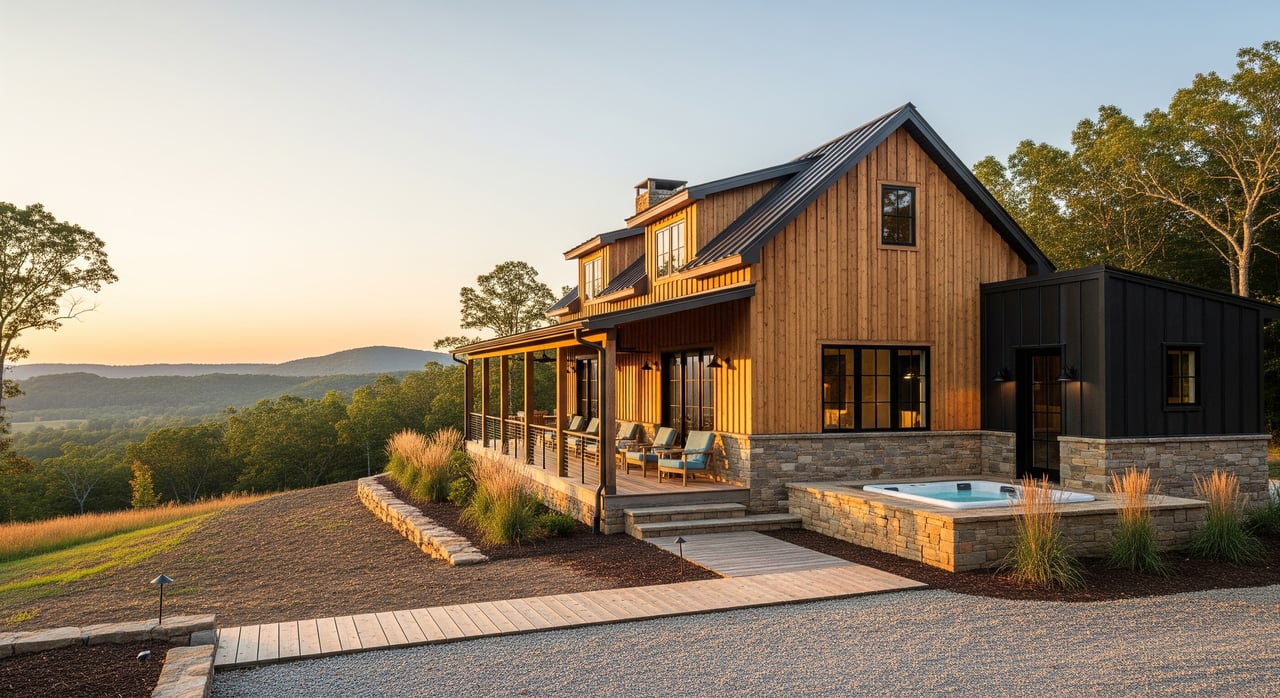
You’re eyeing Arley as a spot for a short‑term rental and wondering if the guest demand, rules, and numbers will stack up. You want a clear path, not guesswork. In this guide, you’ll learn how to evaluate demand near Smith Lake, what to check for local rules and insurance, and how to model returns with realistic costs and seasonality. Let’s dive in.
Why Arley draws short‑term guests
Arley sits in the north‑central Alabama recreation belt, close to Lewis Smith Lake, Bankhead National Forest, and the Sipsey Wilderness. Guests come for lake access, fishing, boating, hiking, waterfalls, and quiet nature stays. You also see hunters and small family groups visiting for reunions or local events. That means most demand is leisure‑driven, not business travel.
Who books and when
Typical guests include weekenders, family groups, hikers, and outdoorsmen. Spring through fall brings stronger demand for hiking and fishing. Fall hunting season adds another bump. Holiday weekends can perform well if you plan for multi‑night stays and family‑oriented amenities.
Seasonality and pricing strategy
You should expect strong seasonality. Spring to fall tends to book up faster, while mid‑winter is softer. Weekends typically outperform weekdays, so pricing and minimum stays should reflect that pattern. Multi‑night minimums of 2 to 3 nights are common in rural lake markets.
Occupancy patterns to plan around
Calibrate your calendar to capture peak weekends and holiday periods. Keep a close eye on lead times and consider shoulder‑season offers to boost weekday stays. When you narrow your micro‑market, use a data tool to compare monthly occupancy and average daily rate by property type and amenity set.
Where to focus around Arley
Not all locations perform the same. In rural and lake markets, access and convenience often matter more than raw square footage.
Lakefront and water access
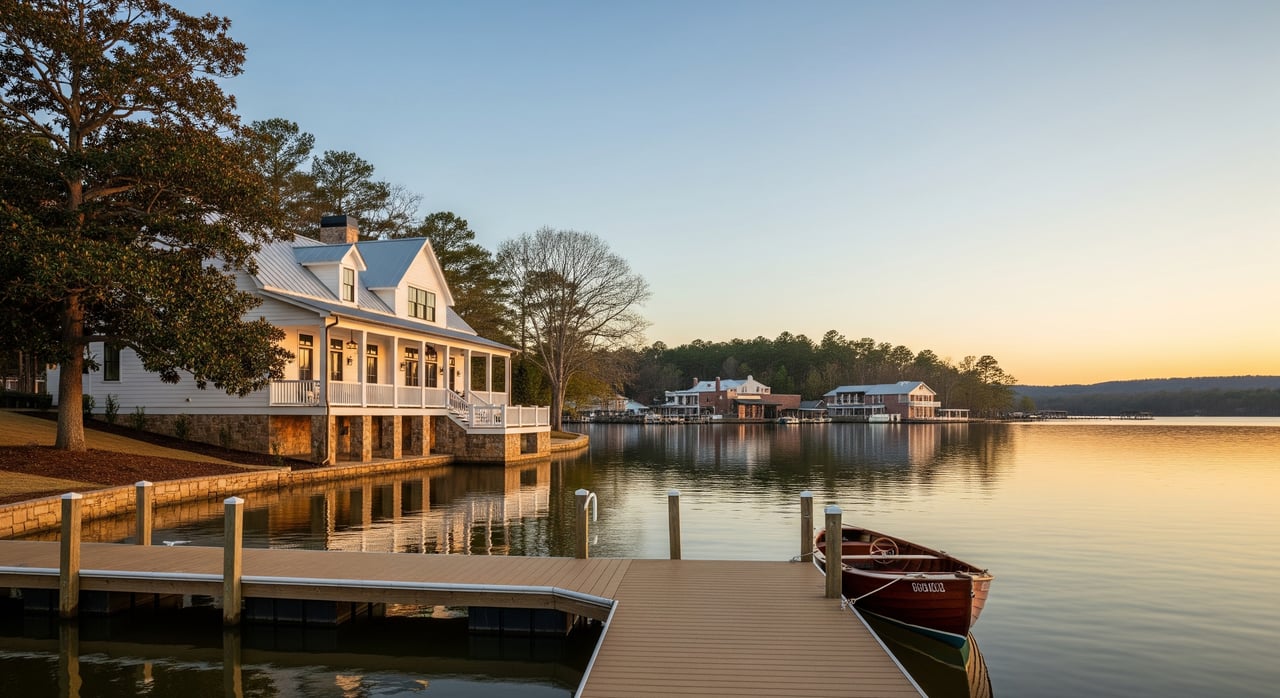
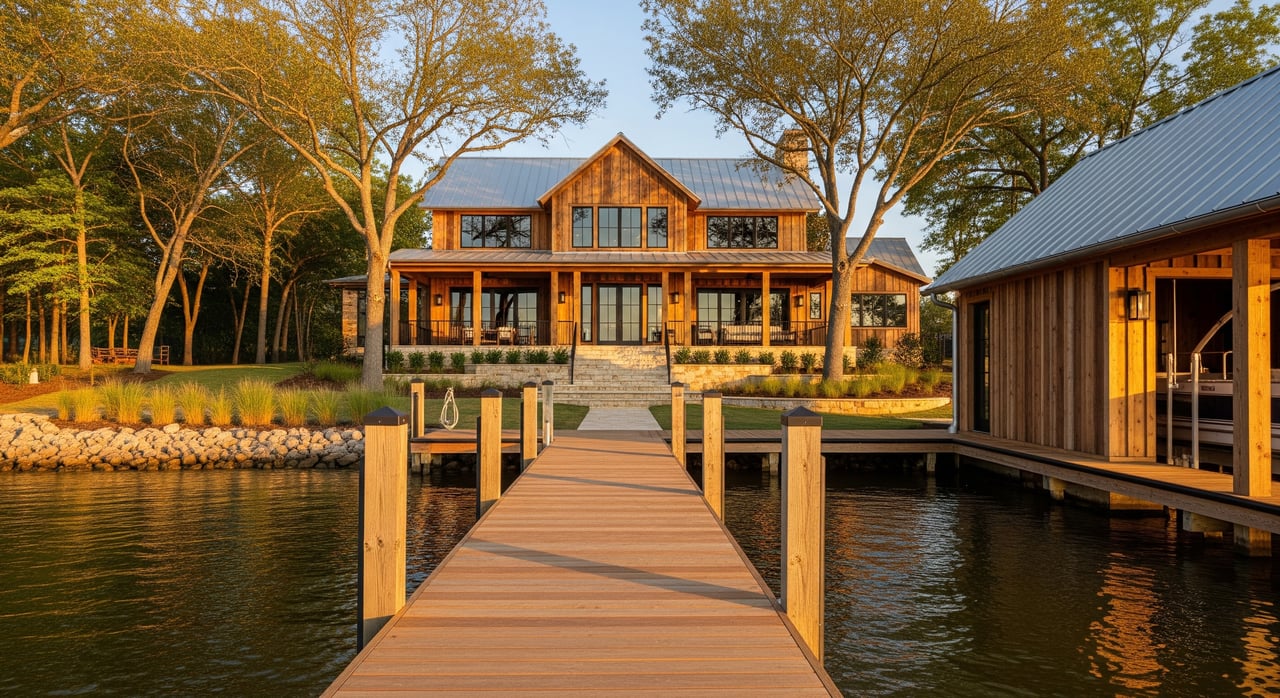
Water access is a major driver. Lakefront with a private dock, or quick access to public boat ramps, typically commands stronger rates. If lakefront is out of budget, look for properties with easy trailer parking, straightforward boat launch directions, and secure outdoor storage.
Near Sipsey and Bankhead
Proximity to trailheads, waterfalls, and scenic drives can help you capture hikers and photographers. Provide a detailed guidebook with trail tips and safety notes. Good wayfinding and clear driving instructions reduce guest friction.
Quiet rural settings
Some guests want a secluded cabin feel. If you pursue a rural setting, confirm road conditions, internet options, and emergency service access. Set guest expectations with clear notes on parking, cell coverage, and night sky lighting.
Regulations, taxes, and insurance
Before you buy or list, verify what is allowed and what is not. Rules can vary by county, town, and subdivision.
Zoning, permits, and HOAs
Confirm short‑term rental permissibility with Winston County and the Town of Arley. Ask for written confirmation of any zoning or permitting requirements. If the home sits in a subdivision or lake community, review HOA covenants for rental restrictions and occupancy rules.
Taxes and registration
Expect state and local lodging or hospitality taxes on short stays. Sales or use tax can apply to nightly rates and cleaning fees. Platforms may collect some taxes, but you should confirm your obligations and registration requirements with the relevant tax authorities.
Insurance and safety
Standard homeowners policies often exclude short‑term rental use. Get quotes for a specialized STR endorsement or a commercial policy that includes liability, contents, and business interruption. Confirm smoke and carbon monoxide detectors, clear egress, potable water, and septic service meet safety and underwriting standards.
Underwrite the deal with clear metrics
Numbers tell the story. Your goal is to estimate revenue, subtract realistic costs, and pressure‑test the outcome.
Core metrics to track
- Average Daily Rate (ADR)
- Occupancy rate by month and season
- Revenue per available night (RevPAR)
- Gross rental revenue and Net Operating Income (NOI)
- Break‑even occupancy
- Cap rate and cash‑on‑cash return
Step‑by‑step analysis
- Define your micro‑market, such as within a set drive time to Arley, Smith Lake ramps, or specific trailheads.
- Pull 12 to 24 months of comparable listing data for ADR, occupancy, and lead times.
- Adjust rates for your attributes, such as lakefront, dock, bedrooms, and pet‑friendly.
- Model monthly occupancy by season and compute gross revenue.
- Subtract operating expenses to estimate NOI.
- Compare NOI to purchase price and your cash invested for cap rate and cash‑on‑cash return.
- Run downside scenarios for lower ADR, lower occupancy, and higher capital needs.
Costs to budget
- Platform and payment processing fees
- Property management or co‑host fees; full‑service rural management often runs higher than urban averages
- Cleaning and laundry per turnover
- Utilities, trash, septic, and routine maintenance
- Internet and streaming; reliable high‑speed service is important
- STR insurance coverage and liability
- Local taxes and licenses
- Vacancy reserve and ongoing marketing
- Capital expenditures such as dock work, roof, HVAC, or furnishing
Features that drive bookings
In rural and lake markets, certain features move the needle on guest satisfaction and rate potential.
Amenities guests value
- Water access or quick ramp access
- Outdoor living with a fire pit, covered porch, and grill
- Comfortable beds and hotel‑quality linens
- Pet‑friendly policies with clear house rules
- Self check‑in with a smart lock
- Reliable internet and clear directions
- A local guidebook for boating, fishing, hiking, and dining
- Safety items like smoke and CO detectors, first‑aid kit, and posted emergency info
Operations that fit your lifestyle
- Self‑management can keep fees lower if you are nearby and responsive.
- A local co‑host or manager can handle turnovers, guest communication, and maintenance.
- Full‑service management is more hands‑off, with higher fees but turnkey support.
Risks and how to reduce them
- Regulatory changes can impact STR permissions. Get written confirmations and monitor local discussions.
- Seasonality can create uneven cash flow. Build reserves and adjust pricing for shoulder seasons.
- Rural infrastructure like wells, septic systems, or narrow roads may add maintenance and liability. Inspect early and budget accordingly.
- Insurance coverage gaps can be costly. Verify policy terms specific to short‑term rentals.
- Market saturation can happen, even in small towns. Track new listings and maintain a quality advantage.
Due‑diligence checklist
- Confirm zoning and STR permissibility with Winston County and the Town of Arley in writing.
- Review HOA covenants or deed restrictions if applicable.
- Pull comparable listings and gather ADR and occupancy data for 12 to 24 months.
- Use an STR analytics tool to validate seasonality and rates.
- Verify utilities, internet provider options and speeds, and recent inspections.
- Obtain STR insurance quotes and confirm safety requirements.
- Register for required lodging and sales taxes; confirm platform tax collection details.
- Estimate furnishing and safety upgrades to reach guest‑ready standards.
- Interview at least one local property manager for realistic operating costs and occupancy assumptions.
- Check emergency service response times and nearest medical options.
Next steps with local guidance
If you want an income‑producing lake property, you need a clear read on micro‑locations, real operating costs, and the work it takes to host well. With deep Smith Lake roots and a concierge approach, I help you identify properties with strong guest appeal, confirm what is allowed, and model returns with confidence. When you are ready, schedule a consultation to review target homes, local comps, and an action plan that fits your goals.
Ready to explore Arley short‑term rentals with a local expert? Connect with Macy Hinds Teer for a personalized plan and next steps.
FAQs
How do I estimate realistic STR rates near Arley?
- Define your micro‑market around Smith Lake or key trailheads, then use an STR analytics tool for ADR and occupancy. Cross‑check with 10 to 20 similar live listings and talk to a local manager.
Do lakefront homes always outperform other homes?
- Lakefront access often supports higher rates, but costs can be higher too, such as dock and shoreline maintenance. Performance depends on the quality of access and property presentation.
What taxes apply to short‑term rentals in this area?
- Expect state and local lodging or hospitality taxes, and possibly sales or use tax on nightly rates and cleaning. Confirm registration and collection details with the proper tax offices.
Will a standard homeowners policy cover STR activity?
- Usually not. Most owners need a short‑term rental endorsement or a commercial policy with liability, contents, and loss‑of‑income coverage. Get quotes before you buy.
How much should I budget for management and turnovers?
- Full‑service management in rural markets often ranges higher than urban averages, and cleaning costs vary by size and capacity. Get local quotes to set realistic expectations.