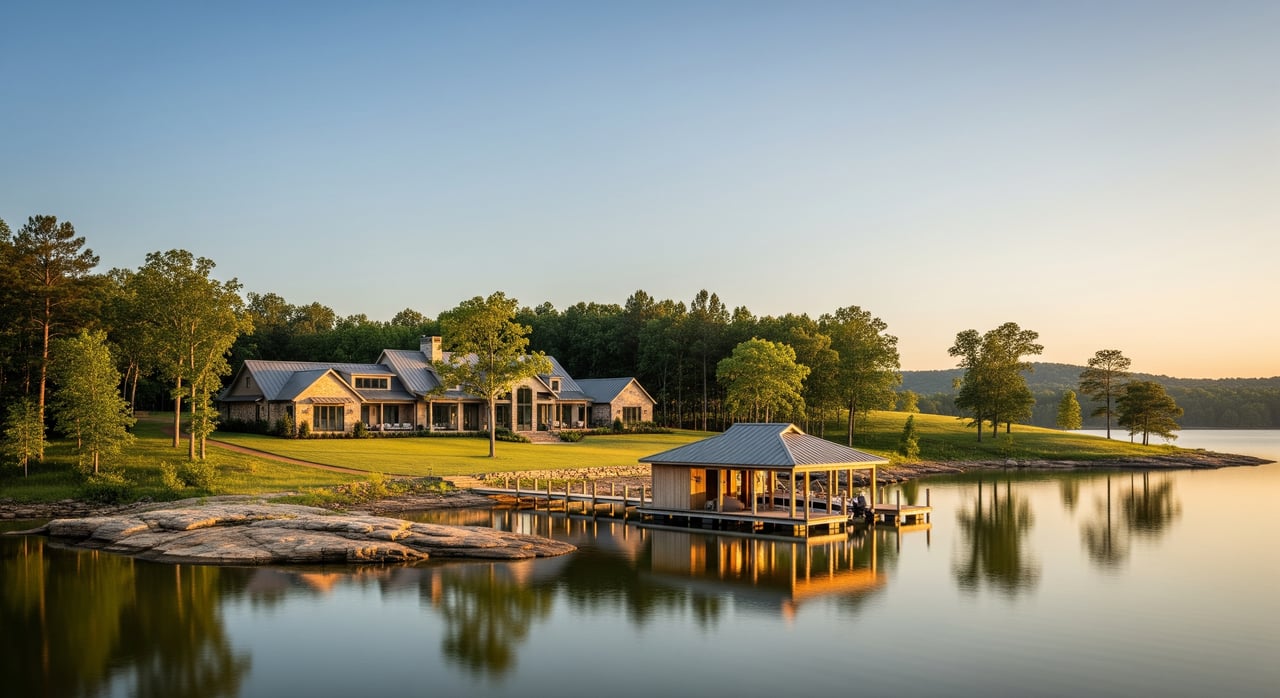
Thinking about pricing waterfront acreage on Smith Lake around Crane Hill and not sure where to begin? You are not alone. Waterfront land values hinge on details that are easy to miss, from usable shoreline and dock rights to soils, slopes, and legal access. In this guide, you will learn what drives value in Cullman County, how to assemble the right due diligence, and a practical way to set a confident asking price. Let’s dive in.
Why prices vary in Crane Hill
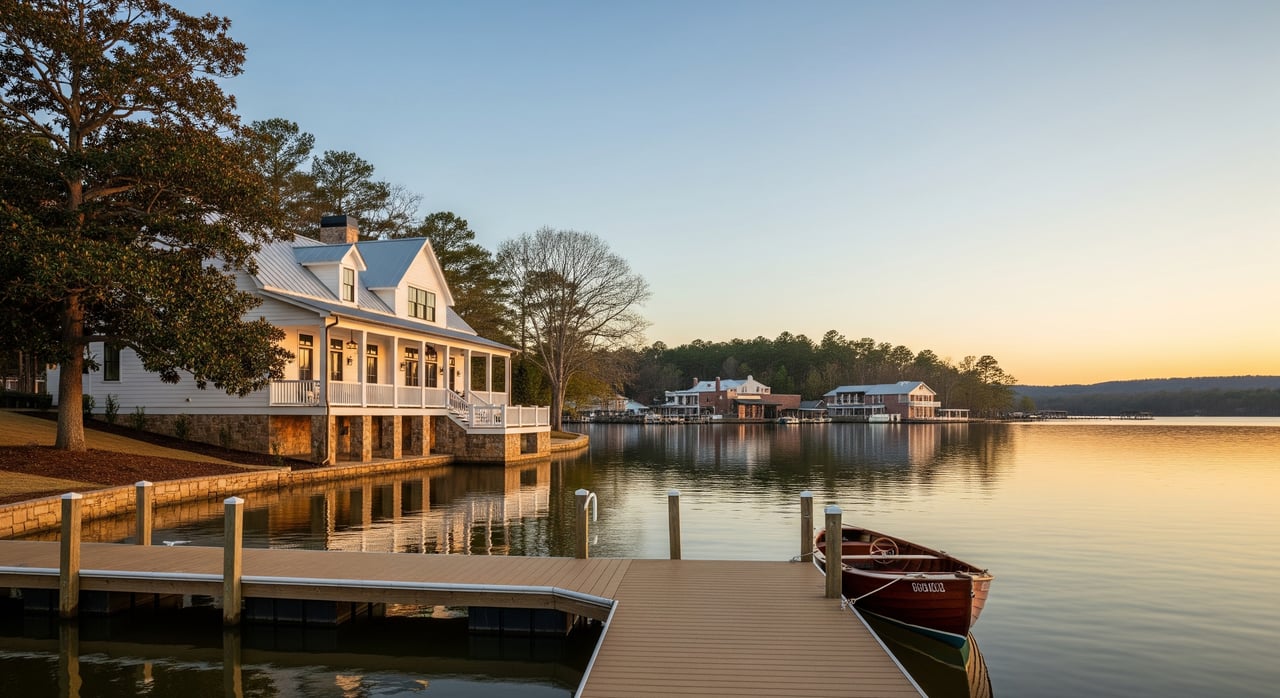
Smith Lake’s appeal is clear. Deep water, boating and fishing, and proximity to Birmingham and Huntsville all fuel demand for Crane Hill waterfront. At the same time, true deep-water frontage with usable shoreline is limited, which supports a premium. Seasonal patterns and broader economic conditions can influence buyer activity, so the most recent local sales are your best reality check.
Local rules and infrastructure matter too. Many Crane Hill parcels are in unincorporated Cullman County, so county-level road maintenance, septic permitting, and basic land-use rules apply. TVA manages Smith Lake’s shoreline, and those rules influence dock rights and how you use the water’s edge.
Top value drivers
Usable shoreline and docks
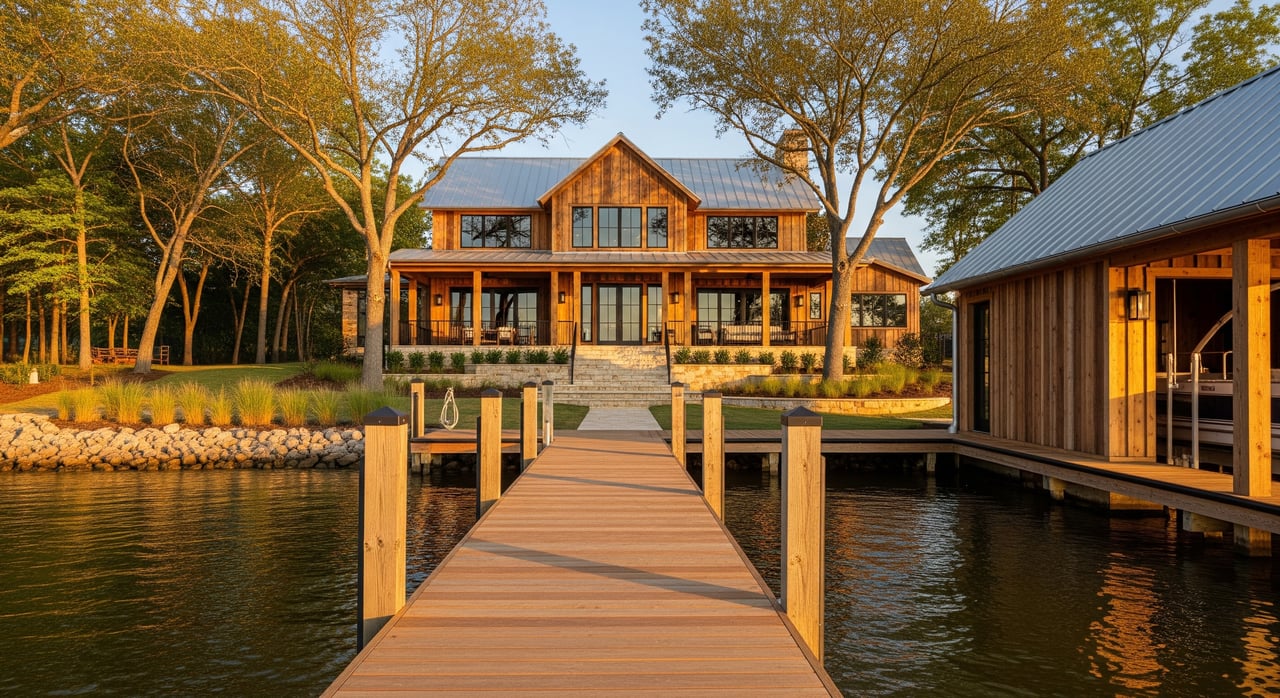
Buyers pay for usable waterfront. A long, jagged shoreline does not always translate to better value if only part of it can support a dock or easy boat access. Existing, permitted docks that can be transferred increase value. If no dock exists, the ability to obtain a future TVA shoreline permit is a major pricing factor.
Shoreline type and water access
Not all shorelines are equal. A gradual slope with comfortable access can be more valuable than a steep bluff or vertical rock face. Marshy edges or wetlands reduce recreational usability and may limit where you can build or place a walkway to the water.
Buildability and soils
Topography and soil capability drive true buildable acreage. Gentle slopes lower site prep costs and make home placement, driveways, and utilities easier. Perc test results for septic systems, and any access to public sewer where available, directly affect what you can build. Floodplain areas or wetlands reduce developable land and may trigger additional insurance or permits.
Access and utilities
Paved public road access typically commands a premium over private roads or prescriptive easements. The availability and distance to electric, water, and broadband matter. The cost to extend utilities, cut a driveway, or stabilize a steep site will come out of a buyer’s budget, which reduces what they will pay for the land.
Title and restrictions
Easements, rights-of-way, and shared access agreements must be clear and recorded. Deed restrictions or HOA rules can limit use, including boathouses or short-term rentals, which affects the buyer pool. If mineral or timber rights have been severed, surface value can be lower. Flood zones influence insurability and mortgage options.
Price it the right way
Sales comparison first
The sales comparison approach is the primary method for Smith Lake waterfront. Pull recent, true waterfront acreage sales near Crane Hill within the last 6 to 24 months. Focus on the same side of the lake or nearby coves when you can. Then adjust for differences in time, usable shoreline, topography, buildable acres, improvements, access, utilities, flood or wetland limits, and legal encumbrances.
Use a consistent adjustment order:
- Location and proximity to Crane Hill, marinas, and boat ramps
- Usable shoreline and frontage length
- Topography and buildable area
- Existing improvements and permits, including docks and septic
- Road access and utility availability
- Floodplain or wetland constraints
Front-foot cross-check
Use a price-per-usable-front-foot calculation as a cross-check, not a primary method. Derive a front-foot value from true comparable sales and multiply by your usable shoreline. Be cautious. Narrow parcels with limited buildable area can be overvalued by this method, while deeper tracts with modest frontage can be undervalued.
Price per acre for large tracts
Per-acre pricing can work for larger properties where interior acreage has standalone value for timber, recreation, or future subdivision. In these cases, part of the price reflects a waterfront premium and part reflects interior land value. Pure per-acre averages misprice small waterfront parcels where most of the value sits in the shoreline.
Income approach is rare
If the land generates income, such as leased slips or rental cabins, you can consider an income approach. For most single-owner residential waterfront acreage, sales comparison remains the standard.
Due diligence checklist
Gather these items before you set a price or go live on the market. Doing so reduces surprises and builds buyer confidence.
Key documents
- Current boundary survey and legal description with a clear waterfront boundary and measured frontage
- Recent title commitment showing easements, restrictions, and any mineral or timber reservations
- Parcel map and tax records from Cullman County Tax Assessor or County GIS
- Any existing septic permits, well permits, and perc test reports
- FEMA flood map determination and any existing elevation certificate
- TVA shoreline guidance or prior dock permits, plus notes on shoreline easements
- Wetland delineation if marshy areas are suspected, or related Army Corps correspondence
Inspections and technical reports
- Perc test and soil evaluation through county environmental health
- Topographic survey or contour map to define buildable envelopes
- Boundary survey tied to the high-water mark if needed for dock placement
- Wetland delineation when warranted
- Timber cruise if timber value is part of the sale
Regulatory contacts
- Cullman County Environmental Health for septic permitting
- Cullman County Commission or Planning and Zoning for access and subdivision rules
- TVA shoreline management for dock and shoreline permissions
- U.S. Army Corps of Engineers for wetlands and Section 404 questions
- Alabama Department of Environmental Management for state environmental rules
Pricing mistakes to avoid
- Describing a parcel as “waterfront” without clarifying usable frontage or access rights
- Relying only on per-acre pricing without adjusting for shoreline and site costs
- Ignoring TVA dock permitability, which can materially change buyer demand
- Failing to confirm legal access and recorded easements
- Overlooking floodplain or wetland impacts that reduce buildable area
Ways to boost value and speed
- Pre-permit where possible: obtain a perc test, septic plan, and boundary survey
- Document dock status and TVA guidance, or secure preliminary approvals
- Improve market readiness with a cleared building site or defined driveway path
- Offer seller financing when appropriate to widen the buyer pool
- Provide timber data or credits if relevant to a buyer’s development plan
Buyer tips for value
If you are evaluating Crane Hill waterfront acreage, take a systematic approach so you do not overpay.
- Verify legal access, riparian rights, and shoreline easements on the deed and title work
- Require a recent survey and confirm usable shoreline length, not just total shoreline
- Order a perc test and confirm septic capacity for your intended bedroom count
- Check flood zones through FEMA and consider insurance implications
- Confirm TVA dock eligibility and any limits on boathouses or slips
- Review any deed restrictions or HOAs for use limits, including rentals
- Compare several recent, nearby comps and adjust for shoreline, topography, and improvements
What this means for Crane Hill sellers
Your pricing should tell a clear story. Show buyers that you have usable shoreline, buildable acreage, septic capability, and clean access. If you already have a legal dock or can document TVA eligibility, call it out. Provide surveys, perc results, tax records, and flood information up front. This transparency reduces negotiation friction and helps you protect your asking price.
Partner with a specialist
Waterfront acreage on Smith Lake rewards deep local knowledge. Accurate pricing depends on nuanced adjustments for usable shoreline, slope, septic, access, and TVA rules. A Crane Hill specialist with strong MLS data and relationships with local land brokers can help you source the right comps, anticipate buyer questions, and position your property for maximum exposure. If you want concierge-level service, premium marketing, and experienced negotiation for complex waterfront or large-acreage listings, connect with Macy Hinds Teer to schedule a consultation.
FAQs
What is “usable shoreline” on Smith Lake?
- Usable shoreline is the portion of frontage where you can feasibly access the water and place a dock or boat tie-up, which is more valuable than jagged or inaccessible edges.
How do TVA dock permits affect pricing in Crane Hill?
- A transferable, permitted dock or confirmed eligibility for a future dock often adds meaningful value, while uncertain permitability can reduce buyer demand and price.
Which documents should a seller gather before listing Smith Lake acreage?
- Secure a current survey, title commitment, tax records, perc test results, FEMA flood info, and any TVA shoreline or dock documentation to support your asking price.
How do flood zones impact Smith Lake waterfront values?
- Floodplain areas can limit buildable land and trigger insurance or elevation requirements, which typically lowers what buyers are willing to pay.
What pricing method works best for Smith Lake waterfront land?
- The sales comparison approach using recent, nearby waterfront acreage sales is best, with front-foot and per-acre methods used as careful cross-checks.
How do deed restrictions or HOAs influence waterfront pricing?
- Restrictions that limit docks, boathouses, or rental use can narrow the buyer pool and reduce value, while clear, flexible rules can support stronger pricing.