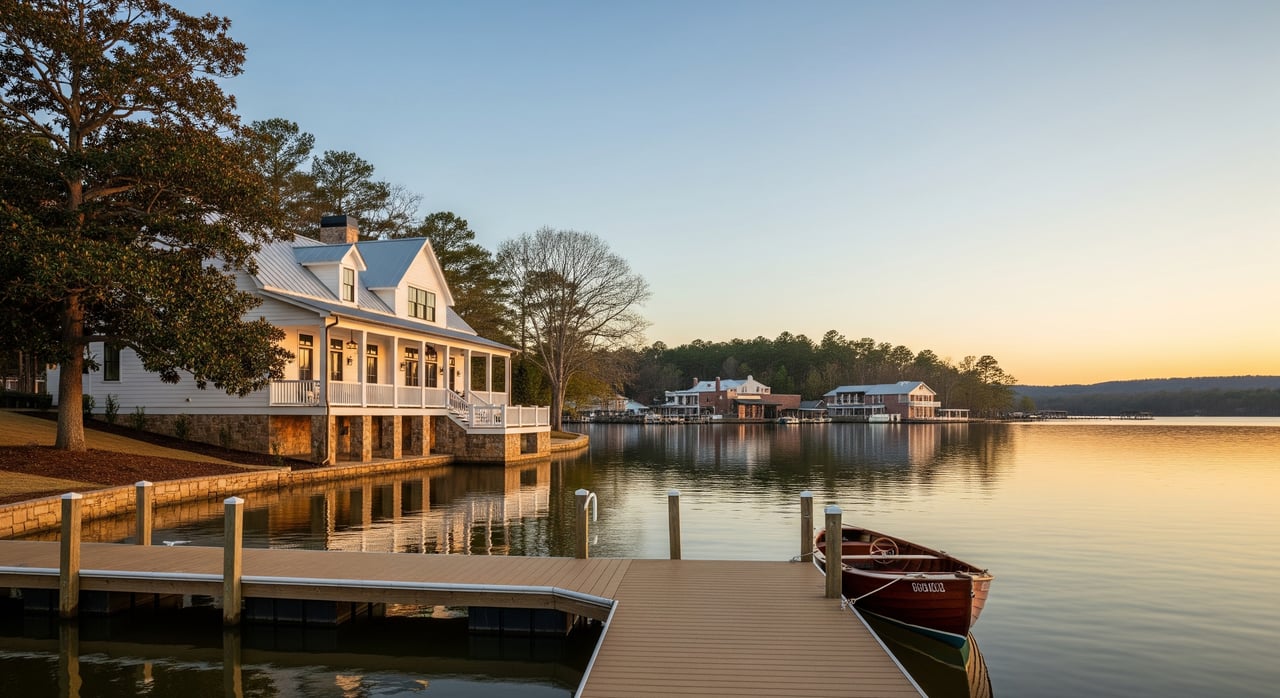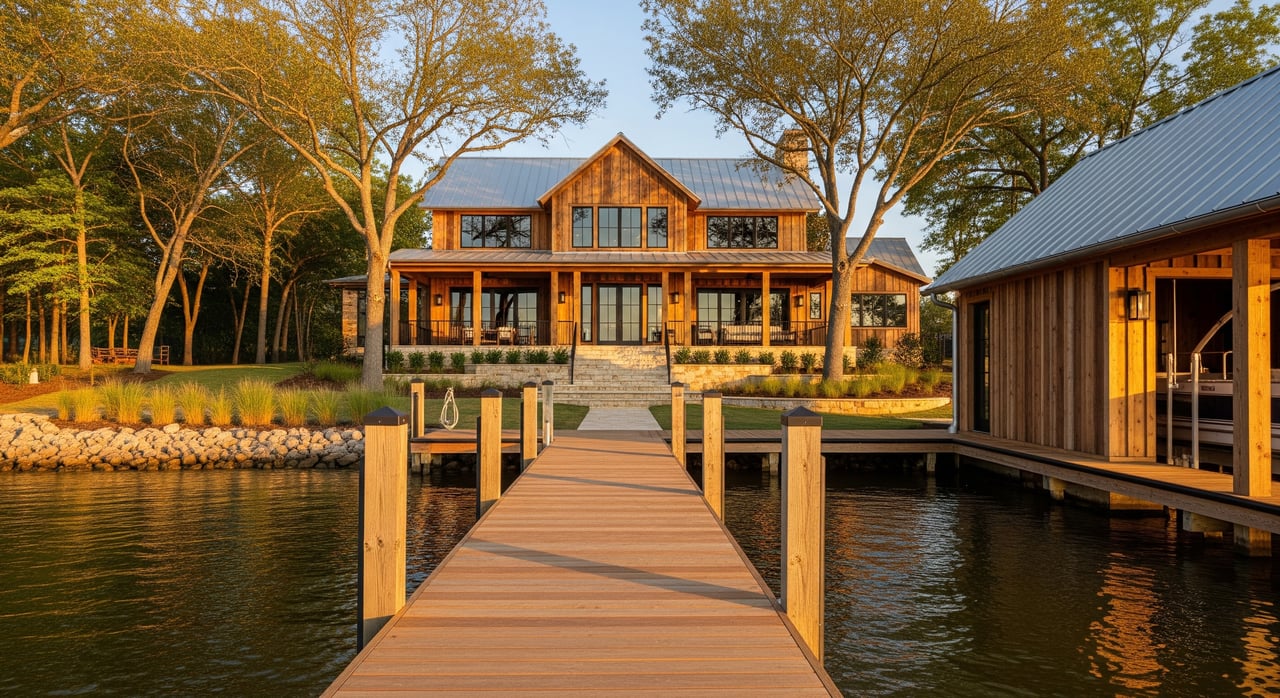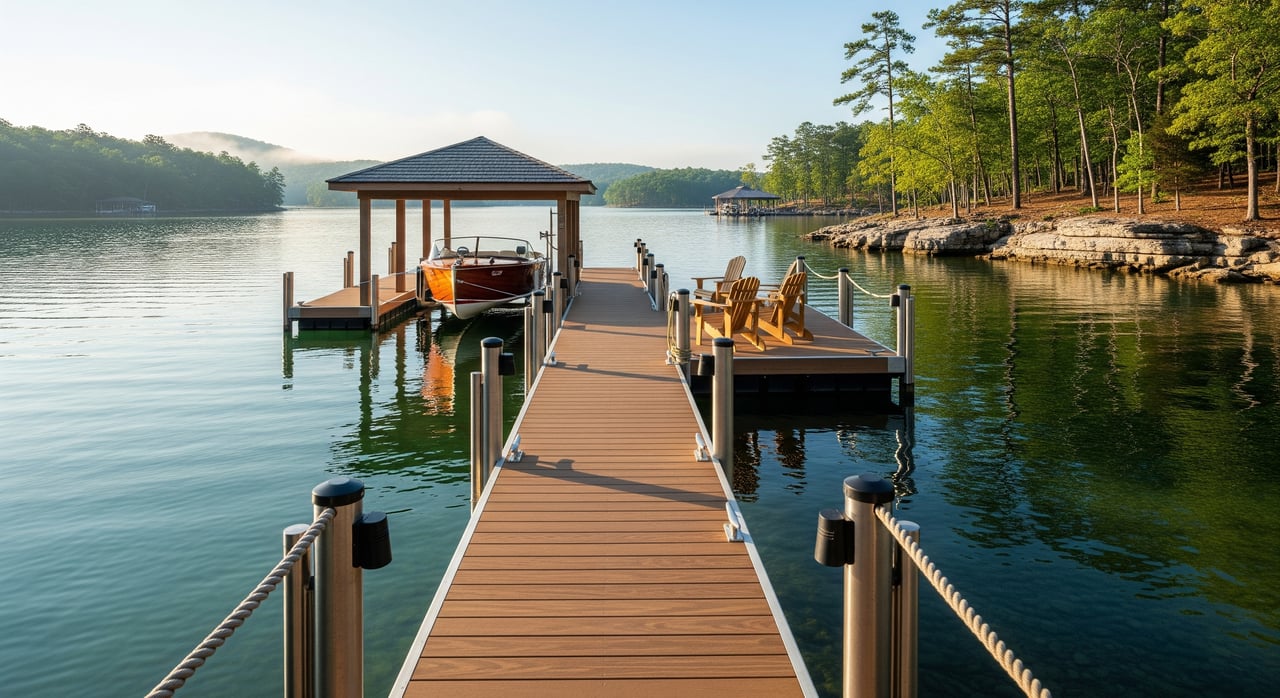
If you picture mornings on Smith Lake with your boat tied to your own dock, you’re not alone. Buying waterfront property in Crane Hill is exciting, but dock rights and permits can make or break your plan. The rules are clear once you know who manages what, what transfers at closing, and what steps to take before you write an offer. This guide walks you through the essentials so you can move forward with confidence. Let’s dive in.
Who regulates Smith Lake docks
Smith Lake is a managed reservoir, so multiple layers of oversight can apply depending on the property and the work planned. Here’s how the roles typically break down for Crane Hill and greater Cullman County:
- Alabama Power: Manages Smith Lake operations and shoreline use. You usually need Alabama Power’s permission for docks, boathouses, lifts, walkways, and structures that touch the water or sit within shoreline easements. Alabama Power sets standards for placement, size, materials, buoyancy, anchoring, and lighting.
- U.S. Army Corps of Engineers (USACE): Regulates work in navigable waters and wetlands. Many dock projects qualify under general federal authorizations, but some require an individual permit. Timeline depends on scope and environmental review.
- Alabama Department of Environmental Management (ADEM): May provide state water quality certifications tied to federal permits. Additional state reviews can apply when wetlands or water quality are affected.
- Cullman County and local offices: Building permits, floodplain rules, and health/septic approvals may apply. Always check with the county building department and floodplain administrator.
- Private property rights and recorded documents: Deeds, easements, subdivision covenants, and Alabama Power shoreline easements can limit where a dock sits and how it is maintained.
When permits are required
Owning lakefront land does not automatically guarantee dock rights. You may need approvals for new construction, replacement, and sometimes for major repairs.
Alabama Power permission
- Purpose: To place or maintain a private dock, boathouse, lift, or walkway in Alabama Power–managed waters or easements.
- Common conditions: Size, location, materials, buoyancy, anchoring, lighting, navigation clearance, and maintenance responsibilities.
- Transfer: Existing permissions often require notice or approval when ownership changes. Get written confirmation that the permit is active and transferable.
Federal authorization through USACE
- Scope: Any work affecting navigable waters, pilings, dredging, fill, or structures over water.
- Types: Some routine docks may be covered under general nationwide permits; larger impacts can require an individual permit. Review time can range from weeks to months depending on complexity and environmental considerations.
State environmental reviews
- Role: ADEM may provide water quality certification and related approvals, often connected to federal permits.
- Triggers: Activities that could affect water quality, wetlands, aquatic life, or sensitive habitats.
Local building and floodplain oversight
- Building permits: Shore-side structures like ramps or gangways can trigger local permits. Attachment points and land-based improvements are often inspected.
- Floodplain: FEMA flood zones come with construction and elevation rules. The county floodplain administrator can advise on local requirements.
- Health and septic: If dock work coincides with new construction or shoreline changes, septic location and permitting may be relevant.
Buyer due diligence checklist
Ask for and review these items during your inspection period. Written proof matters more than verbal assurances.
- Alabama Power documentation: Any current dock permit, license, lease, or written authorization. Include dates, prior renewals, and any assignment or transfer language.
- Transfer confirmation: Written notice from Alabama Power stating whether the dock approval is active and transferable to you at closing, or if reapplication is required.
- Federal and state records: Copies of any USACE permits or correspondence, plus any ADEM or other state approvals tied to the dock or shoreline work.
- Survey and easements: A recent survey that shows the dock’s location relative to property lines, neighboring docks, and recorded easements, including any Alabama Power shoreline easement.
- Title and deed review: Look for recorded easements, covenants, or restrictions that affect docks and shoreline use.
- Flood and local permits: FEMA flood zone determination, plus county floodplain and building permit records.
- Health department: Septic approvals or records if shoreline work coincides with home improvements.
- Maintenance history: Documentation of recent dock work, repairs, or contractor invoices. Remember that repairs do not replace permits.
- Measurements and photos: Current length, width, lifts, and condition for your insurance and planning file.
- Insurance and liability: Confirm what the seller’s policy covers and what you may need after closing.
- Seller disclosures: Ask about past storm damage, insurance claims, code issues, or notices from any agency.
Plan your timeline
Permitting times vary. Local building approvals can be relatively fast, while state or federal reviews can take longer if your project touches wetlands, requires dredging, or needs additional environmental review. Build ample time into your contract and close date. In competitive situations, consider a longer inspection period that is focused on dock permit verification.
Common design rules you may encounter
Expect standards intended to protect navigation, neighboring access, and the lake environment. Typical requirements include:
- Setbacks from property lines and navigation areas.
- Maximum dock dimensions or number of berths.
- Placement relative to normal pool elevation and water depth.
- Materials, buoyancy, anchoring style, and construction methods.
- Boat lift types and attachment methods.
- Lighting and noise measures to minimize impacts.
- Maintenance obligations and clarity on storm damage responsibilities.
Risks to avoid
Docks are high-value assets, but unverified structures can create expensive surprises. Watch out for:
- Non-transferable or expired permissions that require new applications or upgrades to current standards.
- Unpermitted docks that risk removal or fines.
- Utility and shoreline easements that limit location, require special licensing, or allow operational changes to water levels.
- Environmental constraints, historic resources, or protected species that delay or limit projects.
- Hazard exposure, including storms and flooding, that increases maintenance and insurance costs.
Smart contract language
Protect your position during negotiations by building in time and clarity around approvals. Consider language like:
- Permit verification contingency: Buyer’s obligation to close is contingent upon receiving written confirmation that the dock is permitted or transferable, and that buyer can obtain required approvals to maintain or replace the dock.
- Adequate window: Allow 30 to 90 days depending on the anticipated complexity and whether federal or state reviews may apply.
- Seller disclosure: Require the seller to provide all dock-related permits, repair records, and any correspondence with Alabama Power, USACE, state, or local authorities.
Planning to replace or expand a dock
If your vision includes a new layout, a larger footprint, or added features like a boat lift, do your homework before you finalize your offer.
- Request a pre-offer consult with Alabama Power about permissibility, size limits, and transfer rules.
- Check with the USACE Mobile District to understand whether the previous dock had federal authorization and whether your plan stays within general permits or needs an individual permit.
- Ask ADEM about any water quality or wetlands considerations tied to your concept.
- Confirm local requirements with Cullman County’s building department and floodplain administrator.
- Build a realistic schedule around permitting, design, and construction so your first season on the water goes to plan.
Local verification for Crane Hill buyers
You can confirm key details with the following offices and resources. Keep a running file of all written responses in case permits need to be referenced or renewed later.
- Alabama Power: Reservoir Management or Real Estate team for Smith Lake dock permissions, transfers, and shoreline easements.
- U.S. Army Corps of Engineers, Mobile District: Regulatory Division for permit history and guidance on federal authorization.
- Alabama Department of Environmental Management: State water quality certification and related reviews.
- Cullman County Building Department and Floodplain Administrator: Building permits, inspections, and floodplain rules for Crane Hill properties.
- Cullman County Health Department: Septic permits and setbacks if shoreline or home work is planned.
- FEMA flood maps: To determine zone, elevation considerations, and potential insurance implications.
- Title company and county probate or recorder: For deeds, easements, and any recorded covenants that reference dock or shoreline use.
What this means for your search
A dock can elevate your Smith Lake lifestyle and long-term value, but only if the paperwork is solid. Focus on written proof, not assumptions. Start agency conversations early, especially if you plan changes after closing. With the right steps, you can secure a property that fits your boating goals and your timeline.
If you want a seasoned local guide to navigate permits, surveys, and negotiations, connect with Macy Hinds Teer. As a Smith Lake–rooted broker, Macy brings concierge-level service and deep waterfront expertise to help you buy with confidence in Crane Hill and across Cullman County.
FAQs
Do I automatically have the right to build a dock on Smith Lake?
- Not necessarily. Dock rights depend on Alabama Power shoreline easements, federal and state rules, and local permits. Always verify deed language and approvals in writing.
Will an existing dock and its permit transfer at closing?
- The physical dock typically transfers with the property, but the underlying approvals may require written transfer or reapplication. Obtain written confirmation from Alabama Power and request any federal or state records.
How long do dock permits take around Crane Hill?
- Local permits may take weeks, while federal or state reviews can take months depending on scope and environmental factors. Build ample time into your contract.
Who enforces dock rules on Smith Lake?
- Enforcement can involve Alabama Power, the U.S. Army Corps of Engineers, state agencies, or local authorities depending on which rules apply and what was violated.
Can I add a boat lift, lighting, or fuel storage to my dock?
- Possibly, but additions can trigger new approvals and safety standards. Confirm requirements with Alabama Power, local codes, and state rules before you proceed.
Are older docks grandfathered under today’s rules?
- Some older docks may be grandfathered, but major repairs, replacement, or changes in ownership may require compliance with current standards. Rely on written permits, not assumptions.